17
Sondalo

Travelling back in time at the Museum of Sanatoria

Empathy, understanding and respect for those who entrusted their hope to the mountains

Entering the Museum of Sanatoria in Sondalo is a deeply evocative experience, capable of generating a profound empathy towards the people who, in the last century, came here in search of health, peace and comfort. The exhibition tells the story of illness as a human experience, reminding us of how closely care, landscape and quality of life have always been intertwined. Photographs, archival documents and original medical instruments retrace the history of the largest sanatorium complex in Europe.

The visit is an invitation to look with fresh eyes at our modern idea of health: technology and research, but also the role – so often forgotten – of the natural environment in our wellbeing. One section is dedicated to tuberculosis, a true social emergency in the nineteenth and early twentieth centuries. Another leads visitors to discover the architecture of the sanatoria, where air, light and sun were an integral part of the therapy; all the way to the Sanatorium Village, the heart of the community life of those who worked and lived here. This place of memory never stops reminding us of what we once had, and what remains with us today.

Via Zubiani 33
Sondalo
Valtellina PDO & PGI Station

Bites of Valtellina Flavours

A codified recipe

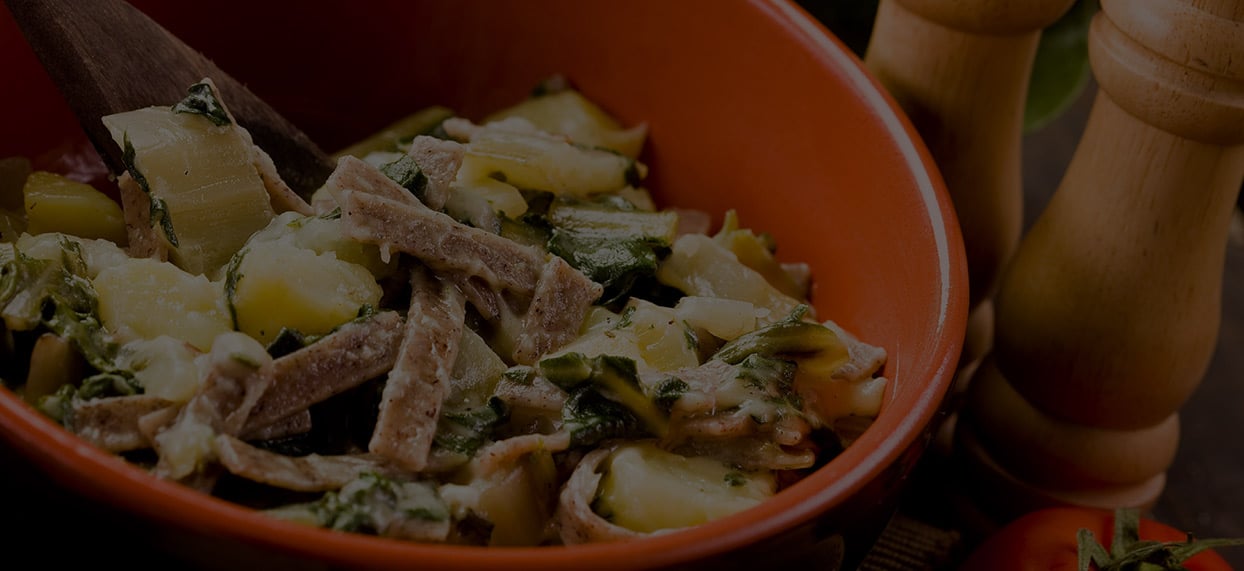
Today the traditional preparation is protected by the Accademia del Pizzocchero di Teglio. The traditional recipe calls for: buckwheat flour, durum and soft wheat flour, water. Once formed, the pasta is cut and cooked in salted water together with potatoes and savoy cabbage, or, depending on the season, chard and green beans. The dish is finished with melted butter, garlic, pepper, grated cheese and Valtellina Casera PDO.